

On The Blog
Catching Up From a Very Busy Spring and Into a Hot Summer
This year has been so busy for me. Most of it was planned so there were very few surprises. Still, I found myself guilty of the very thing I encourage farmers and gardeners to not do: try to cram a whole lot of life into a very small time frame, particularly, May through September. We hit the ground running in April with plants starts, a small remodel, incoming family visits and haven’t looked back. And it is only the end of July!
This is what we do here, in North Idaho.
The perception is that winters are long. Summers are short and when the daytime temperature hits 60 degrees with a few hours of continuous sun we are off like a shot. Buy some seeds! Find the hoses! Buy more seeds! Locate and dust off the lawn furniture and the lemonade pitcher. Buy the rest of the seeds, potting soil and amendments we could possibly need, because once we tie into this yard and garden thing, we are in it.
I started A LOT of plants under the grow lights in my house but had the good sense to wait until April. This sort of self control is new for me. I generally shop the seed catalogs, make all the lists and draw up the garden plans before January clears the calendar. Then, of course, there is nothing left to do but wait. Me with a cup of coffee, or 5, staring out the window waiting for spring. Everyday. This is actually where the idea of full blown retirement becomes a problem…….January. At least with a full time job I have something to do when I can’t be in the garden. Not looking forward to the retirement evantuality, really.
There are actually other things to do to prepare for spring. About 5 years ago I began keeping a weather journal. The content of these journals tell a story about weather in real time. The process forces the casual weather watcher to take in more details and note the surprises that come along. Like frost. Like the random thunder storm. One begins to ‘feel’ what the weather is going to do. Wind , air pressure, rainfall, humidity and even the dew point become important information when farming is more than a hobby, like it is for me. I actually grow food to put by for the winter. Currently I have three varieties of tomatoes in the tomato house. I freeze apples as they ripen and fall from the tree to make applesause fresh during the winter. It is so much better than canned! We turn the plums, purchased peaches and apricots into chutney for winter meat dishes to spice up meals. Potatoes, carrots, onions, garlic, and even grain on occasion are put away for winter use. I have increased the dried herbs I grow to include dill, oregano, basil, green onion, minced garlic, thyme, chives, marjoram, tarragon and savory. What a diference in taste when I grow, harvest, and dry my own herbs! So, watching the weather matters. Some of the herbs, like basil, and vegetables like green beans, summer squash and tomatoes have to be protected from frost. Keeping track of weather conditions just makes sense.
On a larger scale, weather plays a part in tending the meadows for proper forage, soil protection and even carbon sequestration. I don’t plow my meadows anymore. I wait for the autumn rains to help the left over dried grasses lay down and dampen before I disk, lightly chopping the organic matter into the soil. Then I seed back drought resistant forage grasses and harrow it in, one pass only, to make sure the little furrows that hold the seed and water succeed. I do lose some carbon, but if the seed bed is good and strong, this treatment need not be done yearly. Although this is my normal plan, the autumn rains do not always come in late September through October as they once did. In 2025 I finished the meadows the day before Thanksgiving. It was a very dry autumn. In addition, our first frost which used to occur in late September sometimes does not come until late October. Sometimes, not at all.
It is impossible to farm and keep livestock without enough water. One horse can work through 250 gallons of fresh water in no time and believe me, you want them to. 50 chickens go through 20 gallons of fresh water every 2-3 days in the winter and far faster in the summer. When it is hot the hens have both indoor and outdoor water available. Here again, weather matters. Livestock must be cared for. The garden itself has to have about 30 minutes of consistent watering everyday to make sure plants are healthy and strong. I do most of that watering first thing in the morning or close to sunset in the evening. Waiting for rain in the summer months is challenging, but, wind is worse.
It is the end of July. We have been close to 90 degrees for weeks, it seems, with very little rainfall and there is no serious rainfall in the forecast into August. While this weather can be challenging, it is a great time to succession plant. If you haven’t already done it, a second round of peas, green beans, and carrots can go in the ground. You can also put left over sprouting potatoes in and by October, at the very least, you will have “new” potatoes which are delicious! You can plant all the greens and even beets if you want but the roots may not have eneough time to mature. Still, beet tops are amazingly nutricious and don’t mind cold temperatures.
Well, that is the catch up overview for now. One unusual thing is our broody White Leghorn. She just is not letting go of it. So, my grand daughter asked if we could let “Brooda”, her name for the hen, set on some eggs. Generally this is done in the spring to make sure any new chicks are big enough to be in the big house by winter. If Brooda succeeds, there will be 8 new chicks to merge intothe flock by mid December. We will see how this shakes out.
November Seems Like a Good Time to Start
For those of you kind enough to have visited this blog in years past, you will recall it a failure. I didn’t keep up with it in a timely manner and, eventually, I gave up all together. In my defense it was 2021 and the effects of COVID on my circle were pretty rough. I just didn’t do so well. But here we all are, 3 years later and definitely thinking differently about everything.
This blog was intended to be about my journey as a gardener here in Bonner County. But it morphed into something quite different. As I looked at what few garden vlogs there are available it occurred to me that most of them are really about homesteading, which is very exciting, sort of a two for one experience for the viewer. I had been watching Next Level Gardening and Epic Gardening for a few years and felt I had gleaned all I could from guys gardening in California, not Idaho. Most of the basic information about compost, water systems, soil amendments, micro climates and more is about the same. Growing what my family will actually eat, or what to do with the weeds, or are those plants really weeds or are they edible?? That’s a whole other topic.
This time around I want to try a different angle, a view I practiced this past summer and it changed the way I think about the garden space and those I invite into it. The way I think about my vegetable garden, my flower garden and the orchard has for the most part been impacted by how I was brought up. In short, the garden was a place of toil where weed removal was often used as punishment. In her defense, Mom had 6 kids and Dad wasn’t home much so her methods of corralling kids and keeping them occupied were rather limited. She wasn’t really the teach, work, reward kind of Mom. I learned to hate gardening. Fifty years later I learned to love it.
I bought the last 15 acres of my parents land which had been my home growing up. It was becoming more than they wanted to manage and they were happy to live quietly and let someone else take all the responsibility. I quickly started cleaning up around the buildings, planted some potatoes, bought some chickens, build a chicken coop, and added onto the barn. I tilled up a big garden space the second year and within 10 years was doing no till gardening, harvesting fruit and nuts from the orchard, selling eggs and produce, and living the dream of someone desperate to return to a place in time that never really existed, and yet, somehow, did.
Before you think me off the rails, consider what we imagine to be our “dream vacation”, or our “dream house”. When we have these dreams they come from a combination of memory, of imagination, of hopes and a will to manipulate everything to bring that dream to life. Otherwise our dreams remain just that, dreams. A person who succeeds in building a dream property has captured something in their heart and mind that reminds them of something else, only better. Just sitting in a chair beneath the nut trees as the warm afternoon wind comes through the neighbor’s meadow and into my orchard, I am there, in that place. This is my garden. God is my refuge, but the garden is where I meet Him. And lately it is where I meet my grand children, my horse looking for a carrot, my cat nudging me for a bit of attention, and the afternoon breeze.
I would live here if I could but that is not in the cards at the moment. It will be, but not this year.
So last year I included the whimsy element in my garden. I took an old purple bathtub and buried it on three sides to plant dahlias. As the beautiful flowers grew tall and created a back drop the grand kids played in a tub of water, splashing wildly, watering the garden, laughing, and living their best life on a hot summer day. When they were done I simply closed the gate and sat down beneath my beloved nut trees and let the breeze envelope me in the peace God has granted me there.
It is now November 1, 2024 and the garden is harvested awaiting the next fall application of mulch, leaves, and compost. The garlic will go in this weekend along with the tulips and daffodils, right inside the vegetable garden. I have made room for all of it :0).
Snow is in the forecast. My beloved breeze has ceased and one from the northeast will take its place. It will be time to batten down those final hatches and let everything go to sleep. And, it will be time to experience the whimsy of searching for the perfect Christmas tree. November seems like a good time to start many things, and so I will. Thank you for reading. I hope to write every week on Friday. Feel free to comment as you wish. I am just one soul on a journey to experience my garden in a way that both honors my love for the land and honors God for His creation of it.
Until next time, be blessed.
Here I am taking another stab at blogging my garden experience.
2021 was a year of loss and learning for me. I started out well, taking photos and getting my garden pens in order. But we had some setbacks due to COVID and the ensuing heat wave became problematic for not only me but farmers everywhere. Still, there were some valuable learning experiences.
Among the things I learned:
September 2020
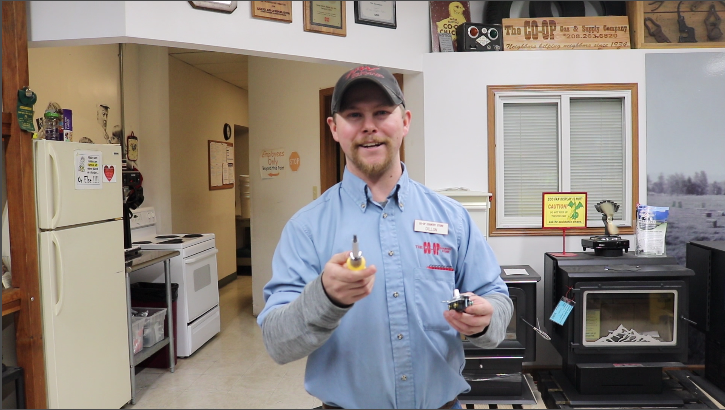
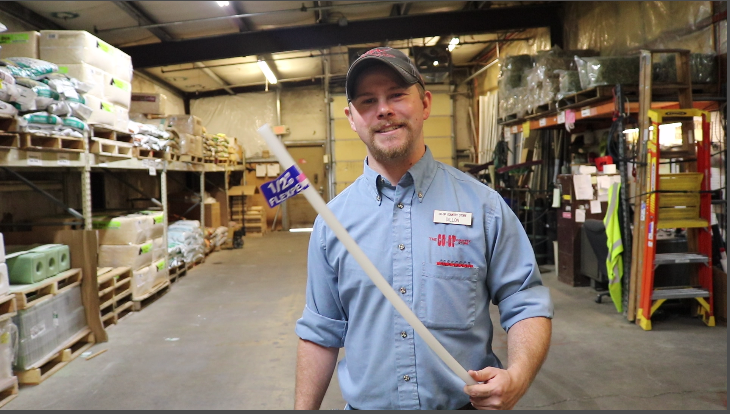
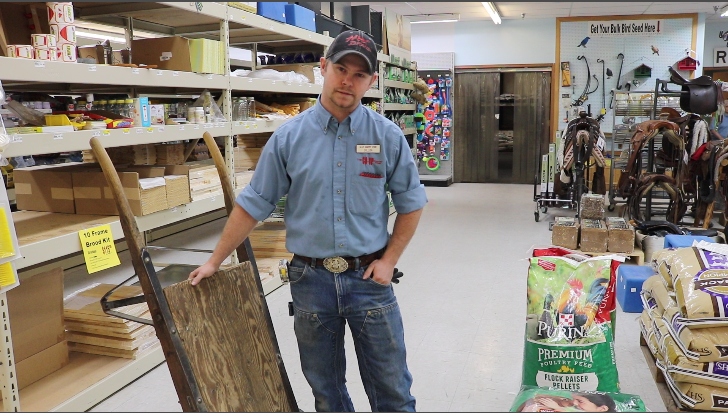
We are back with a new video for you guys. Today Dillon is giving you a little info on the PEX Plumbing system. We hope you enjoy!
August 2020 Vlog
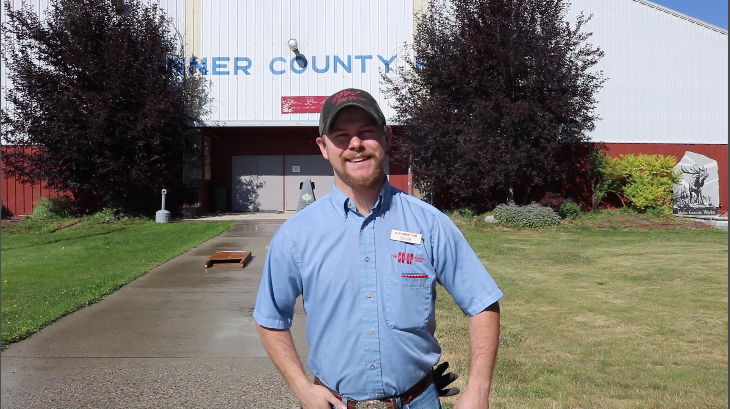
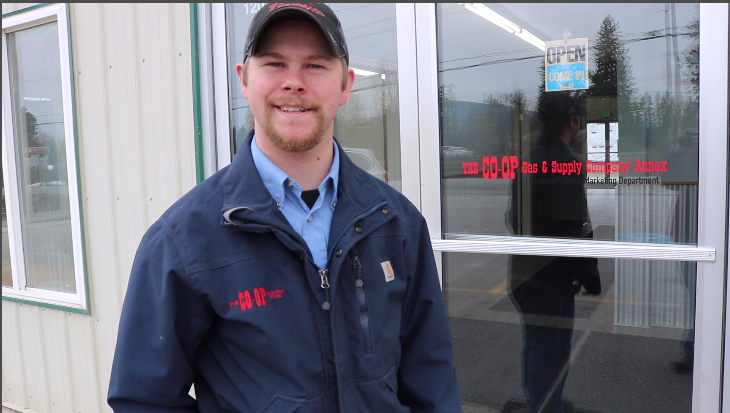
Dillon is BACK! He is here with some information about our fair booth, and a great promotion that we have going on at the store right now. So give it a watch, and enjoy!

Winter on the Farm

Winter on the Farm
by Kathy Osborne
The garden is put to bed, the horses have donned their winter coats, the canning is finished and it is time to slow down here in the north Idaho/western Montana area. Well, for some folks. Winter on the farm is a little different.
Those of us who have animals know they require just as much attention in the winter months as in other seasons. Our horses and cattle, goats and sheep must have the proper forage foods and clean, available water as in other seasons. Sometimes that means dealing with the occasional frozen hose or hydrant.These days most folks have traded in the old faucet/heat tape combo for frost free hydrants. I have used both and frankly, I was thrilled the day we went to all frost free on the farm. My dad was relentless in his water planning. We have frost free hydrants in the barn and the chicken house. And I hate dealing with frozen hoses so much that I unhook and hang them up to drain after each use all winter.
This year my chicken flock was joined by two Pekin ducks. They were the last two left after chick days and I like ducks so I took them. Both turned out to be males which was a bit of a surprise, but even more so, they turned out to be guard ducks. Not only will they engage any dog that intrudes into their territory, they also break up fights between hens and roosters alike. Who knew?
I have had ducks before and overwintered Pekins as well as regular mallards. But Pekins have a habit of turning the area surrounding a water fountain into a swamp. That is OK during the summer, but in the winter it can make a real mess in the chicken house. So this year I gave them their own open water space. The chicken house already has a sand floor so I just built that up with more course gravel, with small rock as a top layer. The water pan goes on top of that with a heat lamp overhead to keep it from freezing. We are now three weeks into this project and so far, no swamp! It is draining great! The chickens have their own water fountain on the other side of the house.
This year in September we had a garden wide freeze at the farm and it took out the tomatoes as usual. I had been told that I could just pull up those tomato vines and hang them inside the greenhouse and the fruit would continue to ripen. It is true. However, damaged fruit will also continue to rot. So, in the future, I may use this method but will remove any fruit with any freeze damage. But the better way is to hang the vines before they are frosted. I have done that successfully and had ripe tomatoes well into early December.
Also new this winter is my greenhouse experiment with growing beet greens. When I put my beets in the root cellar I noticed that a couple of them continued to send out leaves. So I planted them in the greenhouse and they are doing great, producing tasty leaves under the grow lights. The beet roots are fairly large, about 4" at the widest point. I look forward to seeing how long they continue to grow. And I wound up with three very vigorous eggplants. They bloomed in the greenhouse but failed to fruit up. Still, they are healthy right now, just drinking up the sun and growing well. It will be interesting to set them out next summer and see what they do.
Birch Creek Farm is always running an experiment of some sort. We finally won the battle of bare root tree deaths. Birch Creek is on very sandy soil. So without a lot of mulch and extra soil to hold the water, a bare root tree just will not take. So, we started putting bare roots in 5 gallon buckets of dirt from the mulch mountain and leaving them in it all summer to create a decent root ball. We have not lost a new tree in three years. (Note: these buckets DO have drainage holes. Very important.)
As we move into the true winter months we will be keeping an eye on wildlife habits and threats to the farm. I saw an owl in broad daylight the other day and coyotes continue to move ever closer to a unsuspecting meal. As farmers we have to learn to live with the wildlife around us and respect it. So, we will provide a little corn for the turkeys and some suet for the birds. Deer and elk will try to get at the hay and the salt lick. They have already eaten what cornstalks and pumpkins we had out for decoration. We will likely find a moose in the corral one day and promptly head the other direction. They are interesting but nothing to mess with. And we will continue to enjoy winter on the farm.
Dealing with the Broody Hen

Dealing with the Broody Hen
by Kathy Osborne
This is one of my Feather Legged Banty hens. She was actually hatched on the farm herself three years ago. These are her Buff Orpinton/Rhode Island Cross babies, hatched June 2, 2014 at Birch Creek Farm.
Chickens are a staple of the small farm. They "talk" to us. They are where we get the social concept of "the pecking order" (who gets to rule the roost). They give us eggs, manure for the garden, and a reason to go out and do that final check of the farm each evening when we shut them in for the night.
Anyone who has had a flock of chickens for any length of time will eventually experience the broody hen. She is easy to spot: she won't leave the nest. Period. Or at least it looks that way. In reality she does leave the nest for food and water- just not when people are around. She is nesting and cannot be swayed from this effort. She will sit there until she produces a chick. This can be a good thing.
New baby chicks can cost anywhere from $2-3 each in the spring time. Once purchased, baby chicks need food and water continually and special chick starter food. They need to be kept warm with a heat lamp during the cooler seasons and sometimes, for no apparent reason, they die. A farmer can be into this project for $50 quicker than you can say "Oh, honey....they are so cute!"
If you have a broody hen and you want to add birds to your flock, let her set. If you have roosters, the eggs she is setting on are likely fertilized. I would remove her from the rest of the flock to a space with a covered nesting box. If she continues to be broody, giver her 4 eggs you know to be no more than 1 day old. Mark the date down in a notepad and count 21 days - that is the due date. make sure the hen has food and water. Then go on about your farming business.
On the due date check the hen for babies. You don't even have to touch her. You will hear the unmistakable sound of "peeping" the moment you enter the room if any have hatched. Baby chicks hatch with the yolk sack still inside which they consume for the first two days. After that, they need food and water so make sure the feeders and waterers are short enough for new chicks to use. The hen will show them how to drink and eat. In fact for this purpose I use a shallow baking pan and just dump some chick starter in it and it doesn't even have to be medicated.The hen and the chicks will all just jump in there and eat all they want. After about a week, if you can safely turn the hen and babies out into a fenced space/yard, the hen will teach the babies to "scratch" for food. They will follow her around and go under her if they sense any danger. Just FYI: should a snake appear looking for a meal, the hen will make very quick work of it. At the end of the day, the hen and her babies will go back into their space and sleep for the night. You need only shut them in.
By the time the chicks are 3 -4 weeks of age their mother will have already taught them to roost so be sure and have a bar of wood fixed up off the floor for this purpose. A simple piece of 2" x 2" will work fine. If the new family can stay in their space for several months, until the chicks are full grown, this would be the time to introduce them to the rest of the flock. Watch for any chickens who try to hurt the new babies. Sometimes this attacking behavior only lasts until they all get to know each other. However, any repeat offenders go to the butcher. There is no good reason to put up with mean chickens.
This early summer, between three hens I have 11 new baby chicks. That is enough to replace any laying hens and odds are some of the chicks are males so they will go to the freezer for winter.
I hope this has helped those of you who are dealing with broody hens. It is easy once you get the hang of it. And really kind of fun! If you have any questions just email Kathy at kathy@coopgasandsupply.com.
Continued Dry and Warm
It would appear that summer has arrived here in North Idaho. Of course it officially arrived on June 21st, but the last few weeks we have been experiencing 90 degree temperatures. Normally June can be counted on to be one of the rainiest months of the year. So far, that just isn't the case. Our last serious rainfall was May 25th and we had about 10 minutes of rain last week. Yesterday we had a lovely downpour that was dried off the streets in about 20 minutes.
I bring this up because of the Old Farmer's Almanac. I have been reading it and referring to it for about 15 years. In the past the OFA has been pretty accurate. But not this year. June 1-9 showed showers and cool north if we go by the Intermountain Map, and showers & cool if we go by the Pacific Northwest map. Both are wrong. In fact, based on what I have noticed from year to year the accuracy is changing. It's hot and dry out there! So what happened?
The Old Farmer's Almanac has been around since 1792. That is a long time! The publication has a ton of interesting and useful information, folk lore, customs, cultural information and some fun features. It also has what's going on astronomically every day of the year. That is my personal favorite. But when it comes to weather, the almanac is only about 80% accurate. While the OFA writes that their weather predictions are based on a highly guarded mathematical formula, most people can arrive at a fairly accurate weather prediction of their own by keeping track of average temperatures & dates, and whether we are in an el nino or el nina cycle. This information can be found on the web. And of course "there is an app for that" giving those with phone access to the web and up to date weather report.
It's July 14th today and we have finally be gun to cool down from those three weeks of 90 degree temperatures. Because I have so many things in the hopper right now I was late getting my garden in. By late I mean the first week of June. But guess what? This warmer soil, hot temperatures and lots of water are germinating the seeds faster and my garden is responding faster. In fact everything is growing so fast! Even the Autumn Beauty sunflowers have begun to bloom. So beautiful.
The long range forecast for the inland Pacific Northwest is continued drier and less than average moisture well into winter 2015-2016. This may be great for summer activity enthusiasts, but it is bad for farmers, hay farmers, forest conditions, huckleberry pickers, skiers & boarders, and people on a city water meter.