On The Blog
Catching Up From a Very Busy Spring and Into a Hot Summer
This year has been so busy for me. Most of it was planned so there were very few surprises. Still, I found myself guilty of the very thing I encourage farmers and gardeners to not do: try to cram a whole lot of life into a very small time frame, particularly, May through September. We hit the ground running in April with plants starts, a small remodel, incoming family visits and haven’t looked back. And it is only the end of July!
This is what we do here, in North Idaho.
The perception is that winters are long. Summers are short and when the daytime temperature hits 60 degrees with a few hours of continuous sun we are off like a shot. Buy some seeds! Find the hoses! Buy more seeds! Locate and dust off the lawn furniture and the lemonade pitcher. Buy the rest of the seeds, potting soil and amendments we could possibly need, because once we tie into this yard and garden thing, we are in it.
I started A LOT of plants under the grow lights in my house but had the good sense to wait until April. This sort of self control is new for me. I generally shop the seed catalogs, make all the lists and draw up the garden plans before January clears the calendar. Then, of course, there is nothing left to do but wait. Me with a cup of coffee, or 5, staring out the window waiting for spring. Everyday. This is actually where the idea of full blown retirement becomes a problem…….January. At least with a full time job I have something to do when I can’t be in the garden. Not looking forward to the retirement evantuality, really.
There are actually other things to do to prepare for spring. About 5 years ago I began keeping a weather journal. The content of these journals tell a story about weather in real time. The process forces the casual weather watcher to take in more details and note the surprises that come along. Like frost. Like the random thunder storm. One begins to ‘feel’ what the weather is going to do. Wind , air pressure, rainfall, humidity and even the dew point become important information when farming is more than a hobby, like it is for me. I actually grow food to put by for the winter. Currently I have three varieties of tomatoes in the tomato house. I freeze apples as they ripen and fall from the tree to make applesause fresh during the winter. It is so much better than canned! We turn the plums, purchased peaches and apricots into chutney for winter meat dishes to spice up meals. Potatoes, carrots, onions, garlic, and even grain on occasion are put away for winter use. I have increased the dried herbs I grow to include dill, oregano, basil, green onion, minced garlic, thyme, chives, marjoram, tarragon and savory. What a diference in taste when I grow, harvest, and dry my own herbs! So, watching the weather matters. Some of the herbs, like basil, and vegetables like green beans, summer squash and tomatoes have to be protected from frost. Keeping track of weather conditions just makes sense.
On a larger scale, weather plays a part in tending the meadows for proper forage, soil protection and even carbon sequestration. I don’t plow my meadows anymore. I wait for the autumn rains to help the left over dried grasses lay down and dampen before I disk, lightly chopping the organic matter into the soil. Then I seed back drought resistant forage grasses and harrow it in, one pass only, to make sure the little furrows that hold the seed and water succeed. I do lose some carbon, but if the seed bed is good and strong, this treatment need not be done yearly. Although this is my normal plan, the autumn rains do not always come in late September through October as they once did. In 2025 I finished the meadows the day before Thanksgiving. It was a very dry autumn. In addition, our first frost which used to occur in late September sometimes does not come until late October. Sometimes, not at all.
It is impossible to farm and keep livestock without enough water. One horse can work through 250 gallons of fresh water in no time and believe me, you want them to. 50 chickens go through 20 gallons of fresh water every 2-3 days in the winter and far faster in the summer. When it is hot the hens have both indoor and outdoor water available. Here again, weather matters. Livestock must be cared for. The garden itself has to have about 30 minutes of consistent watering everyday to make sure plants are healthy and strong. I do most of that watering first thing in the morning or close to sunset in the evening. Waiting for rain in the summer months is challenging, but, wind is worse.
It is the end of July. We have been close to 90 degrees for weeks, it seems, with very little rainfall and there is no serious rainfall in the forecast into August. While this weather can be challenging, it is a great time to succession plant. If you haven’t already done it, a second round of peas, green beans, and carrots can go in the ground. You can also put left over sprouting potatoes in and by October, at the very least, you will have “new” potatoes which are delicious! You can plant all the greens and even beets if you want but the roots may not have eneough time to mature. Still, beet tops are amazingly nutricious and don’t mind cold temperatures.
Well, that is the catch up overview for now. One unusual thing is our broody White Leghorn. She just is not letting go of it. So, my grand daughter asked if we could let “Brooda”, her name for the hen, set on some eggs. Generally this is done in the spring to make sure any new chicks are big enough to be in the big house by winter. If Brooda succeeds, there will be 8 new chicks to merge intothe flock by mid December. We will see how this shakes out.
September 2020
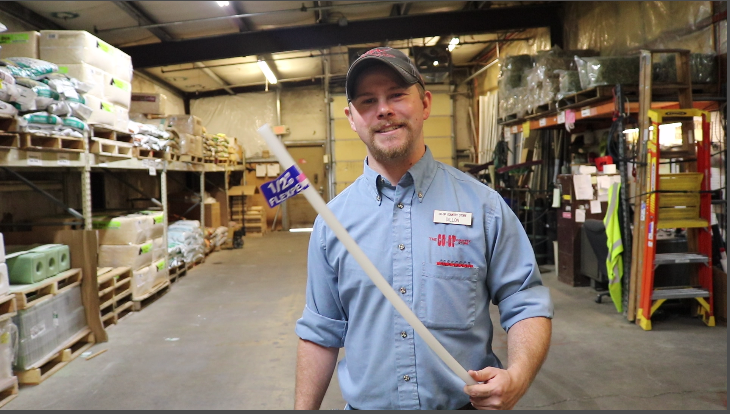
We are back with a new video for you guys. Today Dillon is giving you a little info on the PEX Plumbing system. We hope you enjoy!
August 2020 Vlog
Dillon is BACK! He is here with some information about our fair booth, and a great promotion that we have going on at the store right now. So give it a watch, and enjoy!